Hospital Bag
What to pack, and what to skip.
Everything for you, baby, and your partner — built from packing for five hospital stays and unpacking a lot of things I never touched.
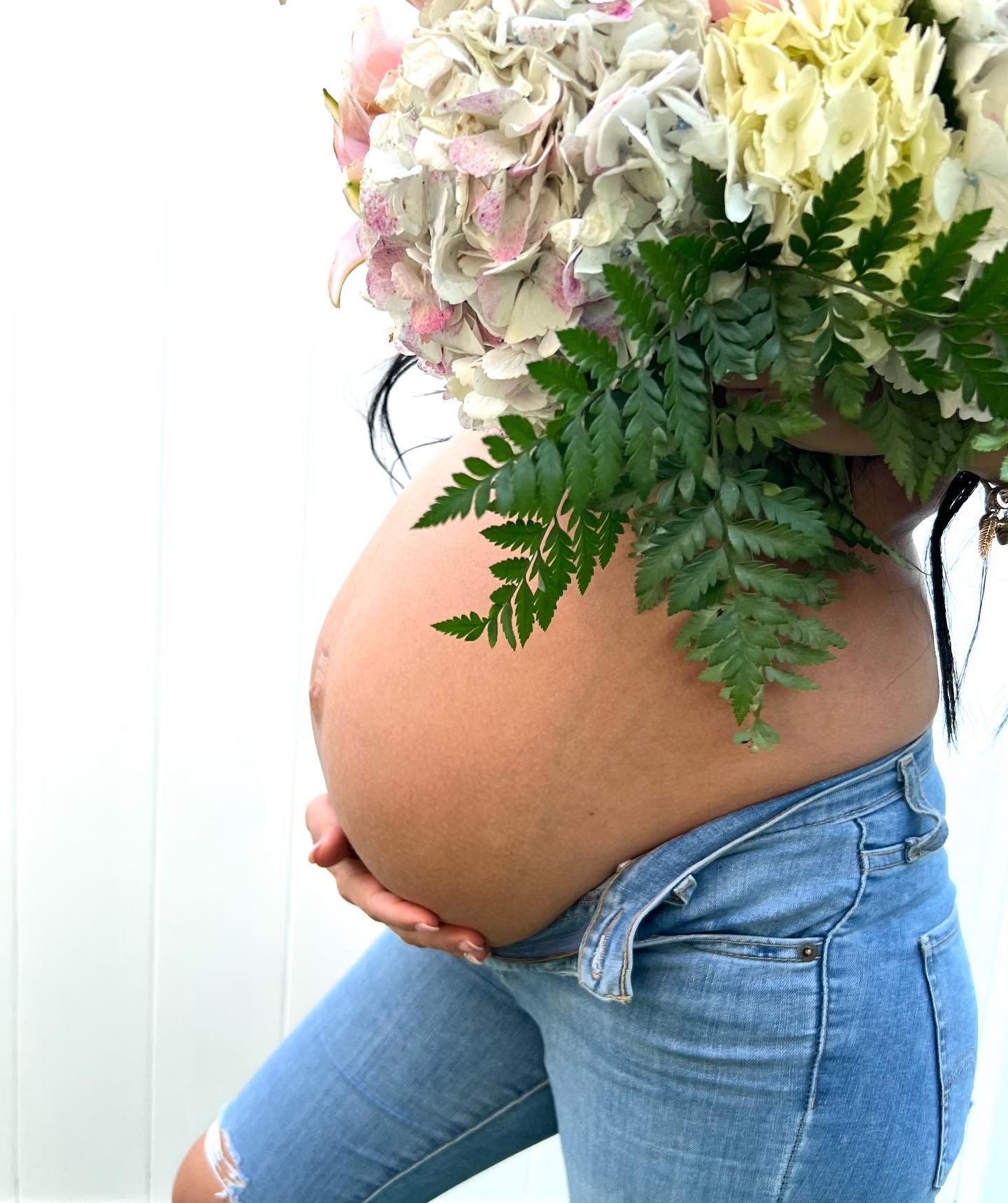
By baby #3, I had learned that I didn’t need to pack everything I saw on Pinterest… just the things I actually knew we would use.
The cute going-home outfit? That one is still coming with me every time.
After 5 babies, I’ve learned what’s actually worth packing, what you can leave at home, and those little things you’ll be so glad you brought.
So I put together the hospital list I actually use — simple, practical, and organized by who it’s for: you, baby, and your partner. — Anahely
Getting ready for the hospital? It's a lot to think about.I turned this whole list into a printable checklist, so you can take one thing off your plate today. Grab it free — no pressure, and it's yours to keep.
Get the free checklist →01
For You
| Item | Category | Note |
|---|---|---|
| Photo ID & insurance card | Essential | Keep it in an outer pocket, not buried at the bottom. |
| Phone charger + long cord | Essential | Outlets are never near the bed. Get a 10ft cord. |
| Comfy robe or nightgown | Worth It | Easier for skin-to-skin and nursing than a hospital gown. |
| 2–3 pairs of comfortable underwear | Essential | Sizes up — the hospital ones are actually great too. |
| Toiletries & travel-size essentials | Essential | Toothbrush, deodorant, hair tie, lip balm. |
| Nursing bra or tank | Worth It | Pack it even if you're not sure yet — easy to skip using. |
| Going-home outfit (loose, comfortable) | Worth It | You'll still look pregnant. Pack what you wore around month 6. |
| Snacks | Optional | Labor is long and hospital food service has odd hours. |
| Flip flops or slides | Worth It | For the shower — hospital floors are not it. |
02
For Baby
| Item | Category | Note |
|---|---|---|
| Going-home outfit + 2–3 pajamas | Essential | Bring both newborn and 0–3 month sizes — babies can surprise you with how big (or small) they are. |
| Backup outfit | Optional | 0-3 sizes in case the going-home outfit isn't enough. |
| 2–3 sleepers or onesies | Optional | For extra comfort and warmth. |
| Swaddle blanket + muslin blanket | Worth It | The hospital provides some, but a soft one from home is nice for photos. |
| Pacifiers | Worth It | Pack two different pacifier styles. Babies can have strong preferences, and you won't know which one they'll like until you try. |
| Burp cloths | Worth It | Bring several. You'll use them for spit-up, feeding messes, and just about every little cleanup. |
| Car seat, installed | Essential | Get it installed and checked before your due date — some hospitals offer a car seat check before discharge, so ask yours. |
| Hat & mittens | Optional | Hospitals usually provide a hat; skip packing extra newborn gear. |
03
For Your Partner
| Item | Category | Note |
|---|---|---|
| Change of clothes (2–3 days' worth) | Essential | Labor and hospital stays run longer than planned more often than not. |
| Phone charger | Essential | A second one — you will not want to share the outlet. |
| Pillow & light blanket | Optional | Hospital pull-out chairs are not built for sleep. |
| Snacks & cash for vending machines | Optional | Cafeterias close earlier than you'd expect. |
| Flip flops or slides | Worth It | Your partner will want to shower too. |
| Toiletries | Worth It | Same essentials as your bag — travel-size is fine. |
| Laptop or book | Optional | For entertainment during long waits. |
04
Paperwork & Extras
| Item | Category | Note |
|---|---|---|
| Birth plan (printed copies) | Worth It | Bring 2–3 — one for your chart, one for your nurse. See our Birth Plan guide. |
| Hospital pre-registration paperwork | Essential | Most hospitals let you complete this in advance online. |
| Portable phone charger / battery pack | Optional | Handy during longer labors when you're away from outlets. |
| Nursing pillow | Optional | Helps with positioning and support during feeding. |
| Breast pump | Optional | For expressing milk if needed. |
| Baby announcement sign or letter board | Optional | For cute photos to share with family and friends. |
| Plush toy | Optional | For comfort, cuddling and for announcement pictures. |
| Gift for siblings | Optional | For a nice keepsake for your little one's siblings. |
| Headphones or a small speaker | Optional | For a playlist during labor, if that's your thing. |
05
Last-Minute Items
| Item | Category | Note |
|---|---|---|
| Phone, wallet & keys | Essential | Keep them in one spot the night before, so you're not hunting when contractions start. |
| Daily medications & prenatal vitamins | Essential | Bring them in their original containers so the staff can see exactly what you take. |
| Glasses or contacts (+ case) | Essential | You can't pre-pack what you're still wearing every day. |
| Toothbrush, deodorant & your daily face wash | Worth It | Same idea — toss them in on your way out the door. |
| Big water bottle with a straw | Worth It | A straw makes drinking so much easier when you're lying in bed. |
| Pillow from home | Optional | Use a bright pillowcase so it doesn't get mixed up with the hospital's. |
06
Your First Day After Birth
- Tell your nurse how you're feelingAsk what pain relief options are available. You don't have to wait until it's bad to ask.
- Expect a lot of check-insNurses will check on you and baby often, day and night. Ask them anything, including the "silly" questions.
- Ask for help with feedingWhether you're nursing or bottle-feeding, ask a nurse or lactation consultant to watch a feed with you. Nobody expects you to already know how.
- Rest, and set visiting limitsIt's okay to ask visitors to come later, or not at all. Your recovery comes first.
- Ask what you can take homeHospitals often send you home with supplies for the first days — ask your nurse what's available so you don't have to buy it all.
- Before you leave, ask which symptoms mean "call right away"Ask your provider which warning signs after birth should prompt a call or a trip to the ER, and save the number in your phone.
What You Can Skip
- A full skincare routineYou will not have the energy. Bring the basics and call it a day.
- Full-size toiletriesTravel sizes save space and you won't finish them anyway.
- A big bag of diapers and wipesNearly every hospital provides these during your stay.
- Your "nice" going-home bagIt'll get set on hospital floors and left in the car. Bring something you don't mind about.
Recommended Products
Shop My Hospital Bag Favorites
These are the products I personally recommend and would purchase again. I've gathered everything in one easy Amazon shopping list.
As an Amazon Associate, I earn from qualifying purchases. These are affiliate links — they cost you nothing extra.
Shop the Complete Hospital Bag → Shop the labor and delivery essentials →FAQs
When should I pack my hospital bag?
My rule of thumb: have it ready by around 36 weeks. Babies born before 37 weeks are considered preterm, and it's much easier to be packed early than to pack in a rush.
Do hospitals really provide diapers and wipes?
Most do for the length of your stay — call your specific hospital's L&D unit to confirm what's included.
How many outfits should I bring for the baby?
One going-home outfit is enough. You won't be there long enough to need more.
What size going-home outfit should I pack for myself?
Pack what fit around month 6 of pregnancy — your body needs time after delivery.
Does my car seat need to be inspected?
Some hospitals offer a quick check before discharge, but it's worth having a certified car seat technician check it ahead of time.
"Pack light, pack early, and don't worry about the rest — you can always send someone home for it."
FREE GUIDE
Get the Hospital Bag Checklist
Packing for the hospital shouldn’t add to the overwhelm. This is the practical checklist I wish every mom had — enter your email and I’ll send the printable version straight to your inbox, so you can check one thing off today.
Already on the newsletter? Download the checklistNo spam. Just practical motherhood guidance, resources, and occasional recommendations from By Anahely. You can unsubscribe anytime.