Postpartum
Physical and emotional recovery, week by week.
What actually helps, what's normal to feel, and the signs that are always worth a call — from someone who's done this recovery five times.
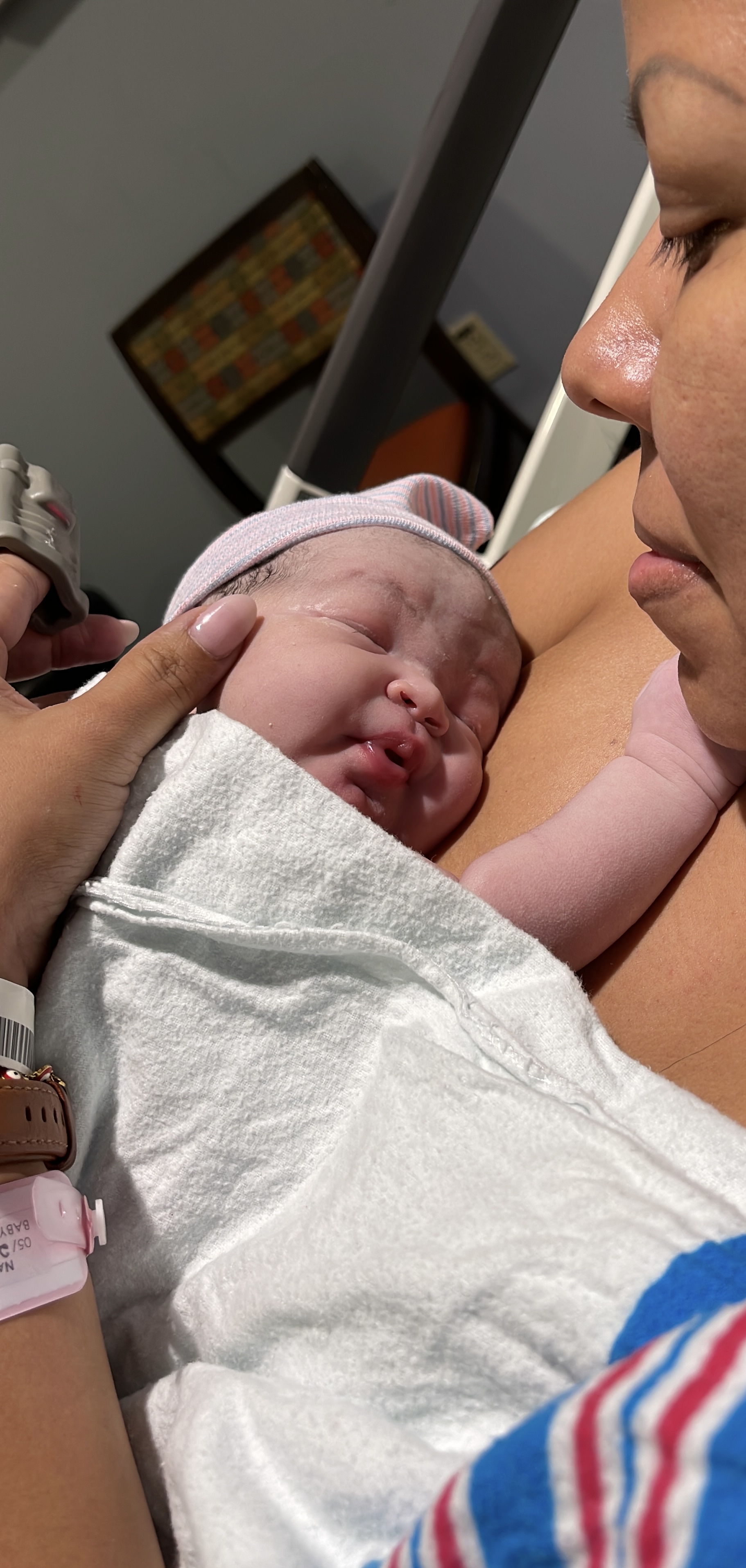
Nobody really prepared me for the fourth trimester. Pregnancy gets all the books; recovery gets a pamphlet on your way out the door. This is everything I wish that pamphlet actually said. — Anahely
Jump to a section
01
Physical Recovery
Recovery isn't linear, and it isn't the same for a vaginal birth versus a C-section — but here's a rough shape of what the weeks tend to look like.
Bleeding (lochia) is heaviest, similar to a heavy period, and gradually tapers. Cramping as your uterus contracts back down. Perineal soreness or incision pain, depending on delivery. Rest is not optional here — your body is doing enormous repair work.
Bleeding lightens to spotting, then usually stops. Energy starts returning in small windows. Most providers clear light activity around 6 weeks, but "cleared" doesn't mean "back to normal" — many people need longer.
Hormones are still shifting. Hair shedding often starts around month 3–4 (temporary). Core and pelvic floor strength continues rebuilding — this is a good window to ask about pelvic floor physical therapy if anything feels off.
02
Emotional Recovery
The "baby blues" are extremely common and different from postpartum depression — knowing the difference matters.
Usually the Baby Blues
- Crying for no clear reason
- Feeling overwhelmed or irritable
- Mood swings that come and go
- Anxiety about baby's wellbeing
- Typically peaks around day 3–5, resolves within 2 weeks
Worth Telling Your Provider
- Sadness or emptiness lasting more than 2 weeks
- Difficulty bonding with the baby
- Intrusive or scary thoughts
- Loss of interest in things you used to enjoy
- Feeling hopeless, or thoughts of harming yourself
03
What Actually Helped
Small, unglamorous things that made a real difference across five recoveries.
A "recovery station"
Water bottle, snacks, phone charger, and pads all within arm's reach of wherever you'll be feeding baby most.
Saying yes to help
Let someone else hold the baby so you can shower. It felt indulgent every time; it never was.
A peri bottle, always
Use it every single bathroom trip for the first couple weeks — it's genuinely one of the best-kept secrets of recovery.
Lowering the bar
The goal most days was "everyone fed, everyone safe." Some days that was the whole win, and that was enough.
04
When to Call Your Doctor
Postpartum complications are uncommon but serious — these are always worth a call, not a wait-and-see.
Usually Normal
- Bleeding that gradually lightens over 4–6 weeks
- Mild cramping, especially while nursing
- Some swelling in feet and hands the first week
- Emotional ups and downs in the first two weeks
Call Your Doctor
- Bleeding that soaks a pad in an hour, or large clots
- Fever over 100.4°F (38°C)
- Redness, swelling, or discharge at an incision site
- Severe headache, vision changes, or swelling with high blood pressure
- Chest pain, shortness of breath, or leg swelling/pain (one-sided)
- Thoughts of harming yourself or the baby
FAQs
How long does postpartum bleeding last?
Typically 4–6 weeks, gradually lightening from heavy to spotting.
When can I exercise again?
Most providers clear light activity around 6 weeks, but always confirm with your own provider first, especially after a C-section.
Is it normal to feel disconnected from the baby at first?
Yes — bonding sometimes takes time and doesn't always happen instantly. If it persists or feels distressing, mention it to your provider.
What's the difference between baby blues and postpartum depression?
Baby blues typically resolve within two weeks on their own. Symptoms lasting longer, or feeling more severe, are worth discussing with your provider.
When is my postpartum checkup?
Usually around 6 weeks, though some providers also check in earlier around week 2–3.
"Recovery isn't a race back to who you were — it's the slow, unglamorous work of becoming who you are now."
FREE GUIDE
Get the Postpartum Recovery Guide
A practical guide for the first weeks after birth, with support for recovery, rest, feeding, and your emotional well-being.
Something went wrong while sending the form. Please try again.
No spam. Just practical motherhood guidance, resources, and occasional recommendations from By Anahely. You can unsubscribe anytime.