Breastfeeding
What I wish someone had told me before the first latch.
Getting started, the challenges nobody warns you about, and how to know when it's time to call in help.
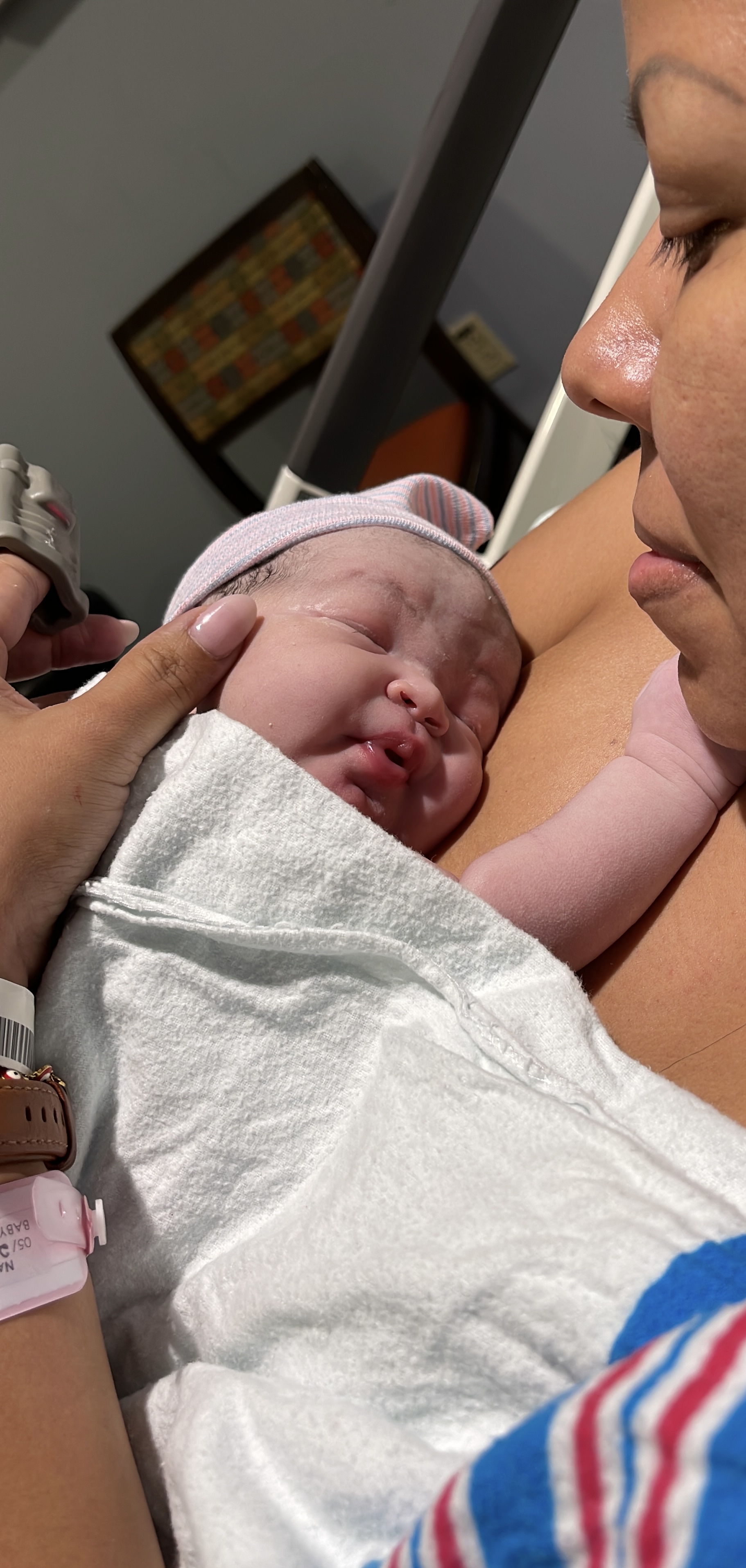
Nobody tells you that "natural" doesn't mean "easy." Every single one of my five babies latched differently, and I needed real help more than once. That's normal — not a sign you're doing it wrong. — Anahely
Jump to a section
01
Getting Started
The first 24–48 hours set the tone, but they aren't a preview of how the rest of feeding will go.
The first latch
Skin-to-skin right after birth helps, but the "perfect" first latch is rare. Ask for hands-on help from a nurse or lactation consultant before you leave the hospital — it's normal to need it multiple times.
Colostrum is enough
Before your milk "comes in" (usually day 2–4), your body makes colostrum in small amounts — teaspoons, not ounces. That's exactly what a newborn's tiny stomach needs.
Feeding on demand
Newborns typically feed 8–12 times in 24 hours. Watching for hunger cues (rooting, hands to mouth) works better than watching the clock.
02
Common Challenges
Things that happen to nearly everyone at some point — and what actually helped.
Engorgement
When milk comes in, breasts can feel rock-hard and painful. Frequent feeding, cold compresses between feeds, and warm compresses right before feeding all help.
Cracked or sore nipples
Usually a latch issue. A little breastmilk rubbed in and air-drying helps healing; nipple cream can soothe in the meantime. Persistent pain is worth a lactation consult.
Cluster feeding
Babies often feed almost constantly for a few hours at a time, especially in the evenings — it's exhausting but normal, and usually a growth-spurt signal, not a sign of low supply.
Clogged ducts
A tender, localized lump. Warm compresses, massage toward the nipple, and continuing to nurse on that side usually clear it within a day or two.
03
Building Your Supply
Supply works on demand — the more consistently milk is removed, the more your body makes.
Pumping, if you choose to
Whether it's to build a stash, return to work, or share feeding duties, pumping after nursing (not instead of) tends to protect supply best in the early weeks.
Hydration and food, simply
There's no magic food that boosts supply dramatically, but staying fed and hydrated yourself matters more than any specific "lactation" product.
04
When to Get Help
Most challenges are solvable with the right support — these are the signs it's time to call.
Worth a Lactation Consult
- Pain that lasts the whole feeding, every time
- Baby seems unable to latch or stay latched
- You're not sure if baby is getting enough
- Nipples are cracked, bleeding, or not healing
Call Your Doctor
- Fever, chills, or flu-like symptoms (possible mastitis)
- A red, hot, painful area that doesn't improve in a day
- Baby has fewer than 6 wet diapers a day after day 5
- Signs of dehydration or poor weight gain in baby
FAQs
How do I know if my baby is getting enough milk?
Wet and dirty diaper counts and steady weight gain at checkups are the most reliable signs — your pediatrician tracks this closely in the first weeks.
Is it normal for feeding to hurt at first?
Some initial tenderness is common, but sharp or lasting pain usually signals a latch issue worth addressing.
When should I introduce a bottle if I'm breastfeeding?
Many lactation consultants suggest waiting until breastfeeding is well established, often around 3–4 weeks, though this varies by baby and goals.
Can stress affect my milk supply?
Stress can affect let-down more than actual supply — a calm feeding environment can help in the moment, but occasional stress won't dry up your supply.
How do I find a lactation consultant?
Ask your hospital or pediatrician for a referral — many also offer virtual consults, which can help sooner than an in-person wait.
"Fed is best, however that feeding happens — the goal was never perfection, just a fed and thriving baby."
Recommended Products
Shop My Breastfeeding Favorites
These are the nursing, pumping, and feeding products I personally recommend and would purchase again. I've gathered my trusted favorites in one easy Amazon collection.
Shop My Breastfeeding Favorites →FREE GUIDE
Get the breastfeeding guide
The practical breastfeeding guide I wish I had before my first latch, with tips for getting started, common challenges, and when to call a lactation consultant.
Something went wrong while sending the form. Please try again.
No spam. Just practical motherhood guidance, resources, and occasional recommendations from By Anahely. You can unsubscribe anytime.