Milestones
What's typical between ages one and three.
A general guide to movement, language, and social milestones — and when it's worth a conversation with your pediatrician, not a panic.
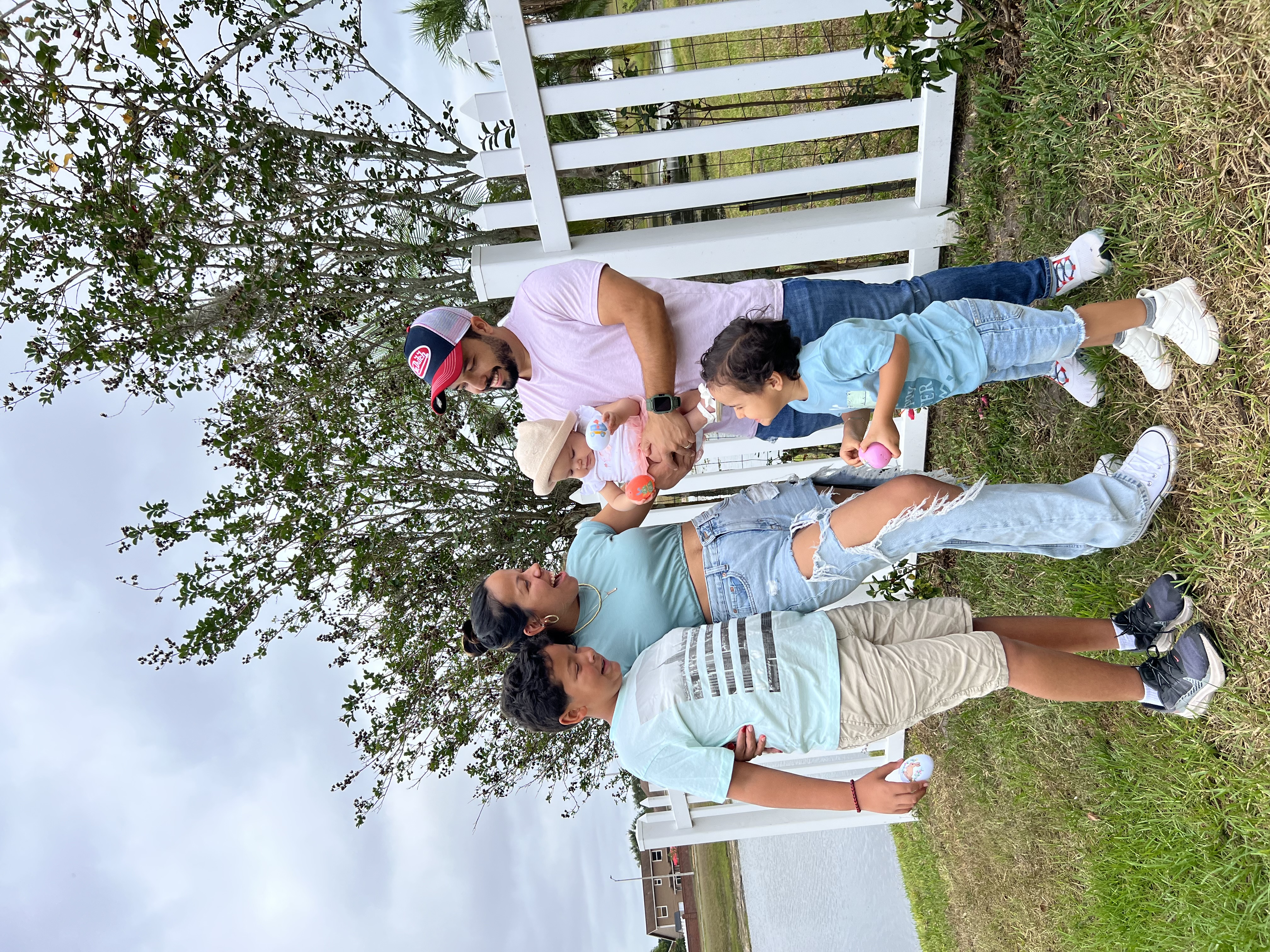
Every one of my five hit these at a slightly different time. Milestone charts are a general guide, not a deadline — but they're useful for knowing roughly what to expect next. — Anahely
Jump to a section
01
12–18 Months
| Area | What's typical |
|---|---|
| Movement | Walking independently (often starting anywhere from 9–18 months), starting to climb. |
| Language | A handful of clear words, understanding much more than they can say. |
| Social | Pointing to show you things, imitating simple actions, showing affection. |
| Fine motor | Stacking a couple of blocks, scribbling with a crayon, feeding themselves with fingers. |
02
18–24 Months
| Area | What's typical |
|---|---|
| Movement | Running, walking up stairs with help, kicking a ball. |
| Language | A growing vocabulary, starting to put two words together ("more milk," "go outside"). |
| Social | Parallel play near other kids, growing independence, more noticeable emotions. |
| Fine motor | Turning pages, using a spoon, building a small tower of blocks. |
03
2–3 Years
| Area | What's typical |
|---|---|
| Movement | Running confidently, climbing well, starting to pedal a tricycle. |
| Language | Short sentences, asking simple questions, being understood by familiar adults most of the time. |
| Social | Beginning cooperative play, strong preferences and opinions, testing boundaries. |
| Fine motor | Drawing simple shapes, undressing themselves, showing interest in potty training. |
04
When to Check In With Your Pediatrician
Well-child visits are built around checking exactly this, so you don't have to track it alone. It's worth bringing up sooner if you notice a loss of skills your toddler already had, no words at all by 18 months, no two-word phrases by age 2, or if walking hasn't started by around 18 months. Trust your own read on your child, too — you know them better than any chart does, and no question is too small for your pediatrician.
FAQs
My toddler isn't hitting a milestone yet — should I worry?
Not necessarily. These ranges are wide on purpose. Bring it up at your next well-child visit if it's on your mind, even if it turns out to be nothing.
Do milestone charts differ between boys and girls?
Individual variation matters far more than gender — the ranges above apply broadly, with plenty of normal variation either way.
What if my toddler was born early?
Pediatricians typically adjust expectations based on your child's adjusted age (due date, not birth date) for the first couple of years.
Is it normal for one area (like language) to lag while others are ahead?
Yes — kids rarely develop all areas at the exact same pace. Uneven development on its own usually isn't a concern.
"These ranges are a map, not a deadline — your toddler gets to move through them at their own pace."
More toddler content is on the way.
Get the free guides and new posts in your inbox as soon as they're published.
Get the free guides