Baby Sleep
Safe sleep first, then what helps.
Safe sleep, newborn sleep, routines, naps, swaddling, and the things worth knowing before you buy another sleep product.
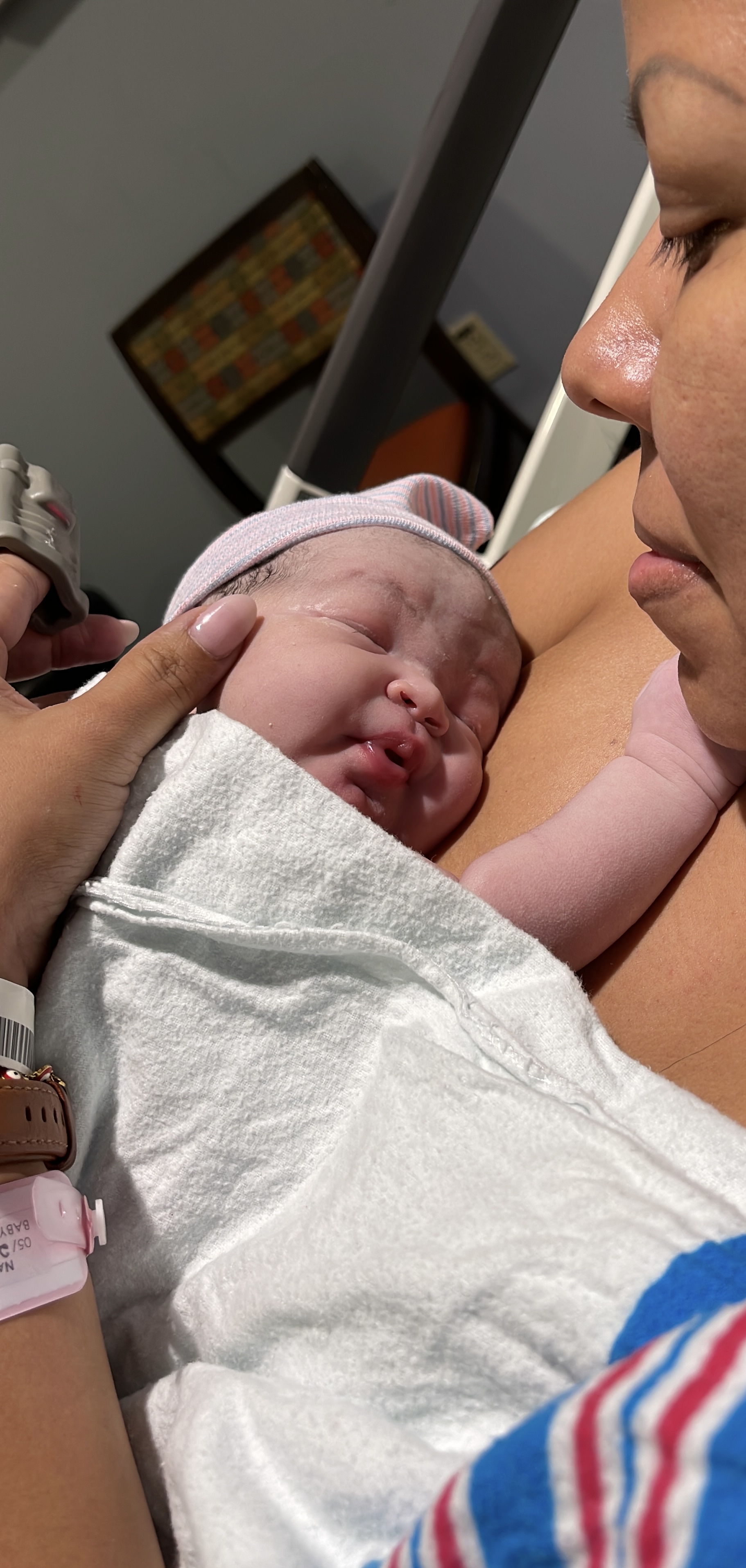
Baby sleep advice can get very loud very quickly. This guide separates what is about safety from what may help your baby sleep better. The safe-sleep recommendations come from pediatric and public-health guidance; routines and sleep strategies are practical options, not promises. — Anahely
At our house, a snug blanket swaddle has always helped our babies sleep better. At night, an empty bassinet sits right next to my side of the bed, and after every feeding the baby goes back to their own place. We stop swaddling soon, then switch to a wearable blanket (a sleep sack) that zips up with the arms free. We didn't know those existed with our first two, and with the last three it's been a game changer. Around 6 months, they usually move to their own room. It's what has worked for us. The safe-sleep basics below come first, including the swaddling rules.
01
Start With Safe Sleep
The most important sleep advice is also the simplest: every sleep should start with a safe environment.
02
Room Sharing vs. Bed Sharing
Room sharing
Room sharing means your baby sleeps in your room, close to your bed, but on a separate sleep surface designed for infants. The AAP recommends this arrangement ideally for at least the first six months.
Bed sharing
Bed sharing means your baby sleeps on the same sleep surface as another person. The AAP does not recommend bed sharing because it increases the risk of sleep-related infant death and accidental suffocation.
03
How Much Sleep Does a Baby Need?
These are recommended total sleep ranges over 24 hours. They are ranges, not schedules, and individual babies can vary.
| Age | Recommended sleep | What it means |
|---|---|---|
| 0–3 months | 14–17 hours / 24 hours | Newborn sleep is usually broken into many shorter periods. |
| 4–12 months | 12–16 hours / 24 hours | This total includes naps. |
| 1–2 years | 11–14 hours / 24 hours | This total includes naps. |
04
Newborn Sleep Is Supposed to Be Messy
Newborns do not have regular sleep cycles yet. The American Academy of Pediatrics notes that newborns may sleep around 16–17 hours a day but may sleep only 1–2 hours at a time.
05
Help Baby Learn the Difference Between Day & Night
You cannot force a newborn onto a schedule, but you can give their developing body clock useful cues.
As babies get older, a consistent bedtime routine can help them know what comes next: diaper, pajamas, feeding, a short book or song, then sleep.
06
Swaddling: Helpful, But There Is a Line
Swaddling can calm some newborns, but it does not reduce the risk of SIDS. If you swaddle, keep the basics of safe sleep unchanged.
- Always place a swaddled baby on their back.
- Keep the swaddle snug around the upper body but allow the hips and legs to move freely.
- Do not use weighted swaddles or add weighted objects.
- Stop swaddling as soon as your baby shows signs of trying to roll, which can happen earlier than parents expect.
- Watch for overheating; baby should not be sweaty, flushed, or hot to the touch.
07
Pacifiers & Sleep
The AAP recommends considering a pacifier at naps and bedtime because pacifier use is associated with a lower risk of SIDS.
- If breastfeeding, many families wait until breastfeeding is well established before introducing a pacifier; ask your healthcare provider if you are unsure.
- If the pacifier falls out after your baby falls asleep, you do not need to put it back.
- Do not attach a pacifier to your baby's neck, clothing, or a toy during sleep.
- It is okay if your baby does not want a pacifier.
08
What About Reflux?
A baby with reflux should still be placed on their back to sleep.
Back sleeping on a flat surface does not increase the risk of choking or aspiration in healthy infants, including infants with gastroesophageal reflux, according to the AAP.
09
Sleep Training: What We Know
Sleep training is often discussed as though there is one correct age and one correct method. There isn't.
Newborn stage
Prioritize feeding, growth, safe sleep, day/night cues, calming routines, and responding to your baby's needs. Newborn sleep is naturally fragmented.
As baby gets older
Families may choose different approaches to help a baby learn to settle and return to sleep. A consistent bedtime routine and, for babies developmentally ready, putting them down drowsy but awake can be useful strategies.
10
Sleep Products You Can Skip
A product marketed as a “sleep solution” is not automatically a safe sleep surface.
- Inclined sleepersAvoid infant sleep products with inclined sleep surfaces. The CPSC says inclined sleepers with sleep surfaces greater than 10° are banned hazardous products for infants.
- Crib bumpersSkip padded crib bumpers and products that add material around the inside of the crib.
- Weighted sleep productsAvoid weighted blankets, weighted swaddles, and other weighted objects on or near a sleeping infant.
- Sleep positioners and nestsThese do not replace a firm, flat, empty infant sleep surface and can create suffocation or entrapment hazards.
- Pillows and loose blanketsKeep them out of an infant's sleep space. Use appropriate clothing or an unweighted wearable blanket instead.
11
A Realistic Newborn Night
Instead of promising that your newborn will sleep through the night, set a more realistic goal:
For your own sleep, build a plan with your partner or support person for who handles feeds, changes, meals, and household tasks when possible. If you are extremely sleepy, avoid feeding or comforting baby on a couch or armchair where you could unintentionally fall asleep.
12
When to Call Your Pediatrician
Sleep questions are often really questions about feeding, breathing, growth, or development. Contact your baby's healthcare provider if you are worried about your baby's sleep or if something feels different from your baby's usual pattern.
Frequently Asked Questions
How long should a newborn sleep?
Newborns 0–3 months are generally recommended to get 14–17 hours of sleep in 24 hours. That sleep is usually divided into many shorter stretches.
Should newborns sleep on their side?
No. Babies should be placed on their backs for every sleep until age 1. Side sleeping is not considered a safe alternative.
Can a baby with reflux sleep on their back?
Yes. The AAP recommends back sleeping on a firm, flat, non-inclined surface, including for babies with gastroesophageal reflux.
When should I stop swaddling?
Stop as soon as your baby shows signs of trying to roll. Rolling can happen earlier than expected, so do not wait for a specific age if your baby is already attempting it.
Is room sharing safer than bed sharing?
Yes. The AAP recommends room sharing without bed sharing. Keeping baby close to your bed on a separate infant sleep surface is safer than sharing the adult bed.
When will my baby sleep through the night?
There is no single age that applies to every baby. Newborns commonly wake frequently to feed, and sleep patterns mature over time.
Can I put a blanket in my baby’s crib?
For infants, the recommended sleep space is bare except for a fitted sheet on the mattress. Use appropriate clothing or an unweighted wearable blanket instead of loose bedding.
Are sleep sacks safe?
An appropriately sized, non-weighted wearable blanket can be used as an alternative to loose blankets. Follow the product’s safety and sizing instructions and avoid overheating.
Do pacifiers reduce SIDS risk?
Pacifier use at naps and bedtime is associated with a reduced risk of SIDS. If breastfeeding, discuss timing with your healthcare provider.
Is sleep training the same as safe sleep?
No. Sleep training refers to approaches that may help a baby learn sleep skills. Safe sleep is about reducing the risk of sleep-related injury and death and applies every time an infant sleeps.
Sources
Trusted Resources
This guide was developed using current U.S. pediatric and public-health guidance.
- American Academy of Pediatrics — Sleep-Related Infant Deaths: Updated 2022 Recommendations
- HealthyChildren.org — How to Keep Your Sleeping Baby Safe
- NIH / NICHD — Safe to Sleep®
- CDC — About Sleep
- U.S. Consumer Product Safety Commission — Safe Sleep
“You don't need a perfect sleeper. You need a safe place to sleep, realistic expectations, and a plan that lets your family breathe.”
Free guide
Get the Baby Sleep Guide
A practical, evidence-based reference for safe sleep, newborn sleep, and what actually helps — so you're not searching for this at 3am.
No spam — just practical motherhood guidance. Unsubscribe anytime.
You're all set 🤍
Your Baby Sleep Guide is ready — download it below. We've also sent a copy to your inbox.
Download Your Baby Sleep GuideMedical Sources & Further Reading
Disclaimer: This page is general, educational information. It is not medical advice and does not replace your baby's pediatrician. If you have questions or concerns about your own situation, the best first step is to ask your doctor.